Nobody enjoys talking about mould. But if you import spices, aflatoxin is the subject that can turn a good deal into a container stuck at the border, or worse, a recall. We would rather talk about it openly now than have you find out the hard way.
What aflatoxins are
Aflatoxins are toxins made by certain moulds, mainly Aspergillus flavus and Aspergillus parasiticus. These moulds live in warm, humid places, and the tropics suit them very well. Aflatoxins are a health concern even at tiny levels, which is why food authorities set limits in micrograms per kilogram, parts per billion.
There is one awkward fact about them: you cannot see, smell or taste aflatoxin. A lot can look clean and smell wonderful and still fail a lab test. That is why testing matters so much.
How it gets into spices
Almost always through moisture. The mould grows when a spice stays damp for too long, and that tends to happen at a few points:
- Slow drying. If the harvest is dried during a rainy spell, or piled too thick on the drying floor, the inside stays wet for days.
- Drying on bare ground. Contact with soil brings mould spores straight to the product.
- Damp storage. Sacks stored on a concrete floor, against a wall, or in a humid room pick up moisture again.
- Damaged produce. Broken, insect damaged or shrivelled pieces are easier for mould to get into.
- The sea voyage. A container crossing from the tropics to a cold port can “sweat” inside, and the water drips back onto the cargo.
The limits in the EU and the US
In the European Union, Regulation (EU) 2023/915 sets maximum levels for aflatoxins in a group of spices: Capsicum, Piper (which includes long pepper), Myristica fragrans (nutmeg and mace), Zingiber officinale (ginger), Curcuma longa and mixtures containing them. For these, the limit is 5 µg/kg for aflatoxin B1 and 10 µg/kg for total aflatoxins (B1, B2, G1 and G2 combined).
In the United States, the FDA uses an action level of 20 ppb (µg/kg) for total aflatoxins in food.
Other countries have their own rules, and some spices and toxins, ochratoxin A for example, are regulated differently. Rules also change. We will not quote numbers we cannot stand behind, so please check the current limits for your market with your own food authority or customs broker, and tell us what they are.
Which spices carry the most risk
Of the eight spices we sell, these are the ones to watch most closely:
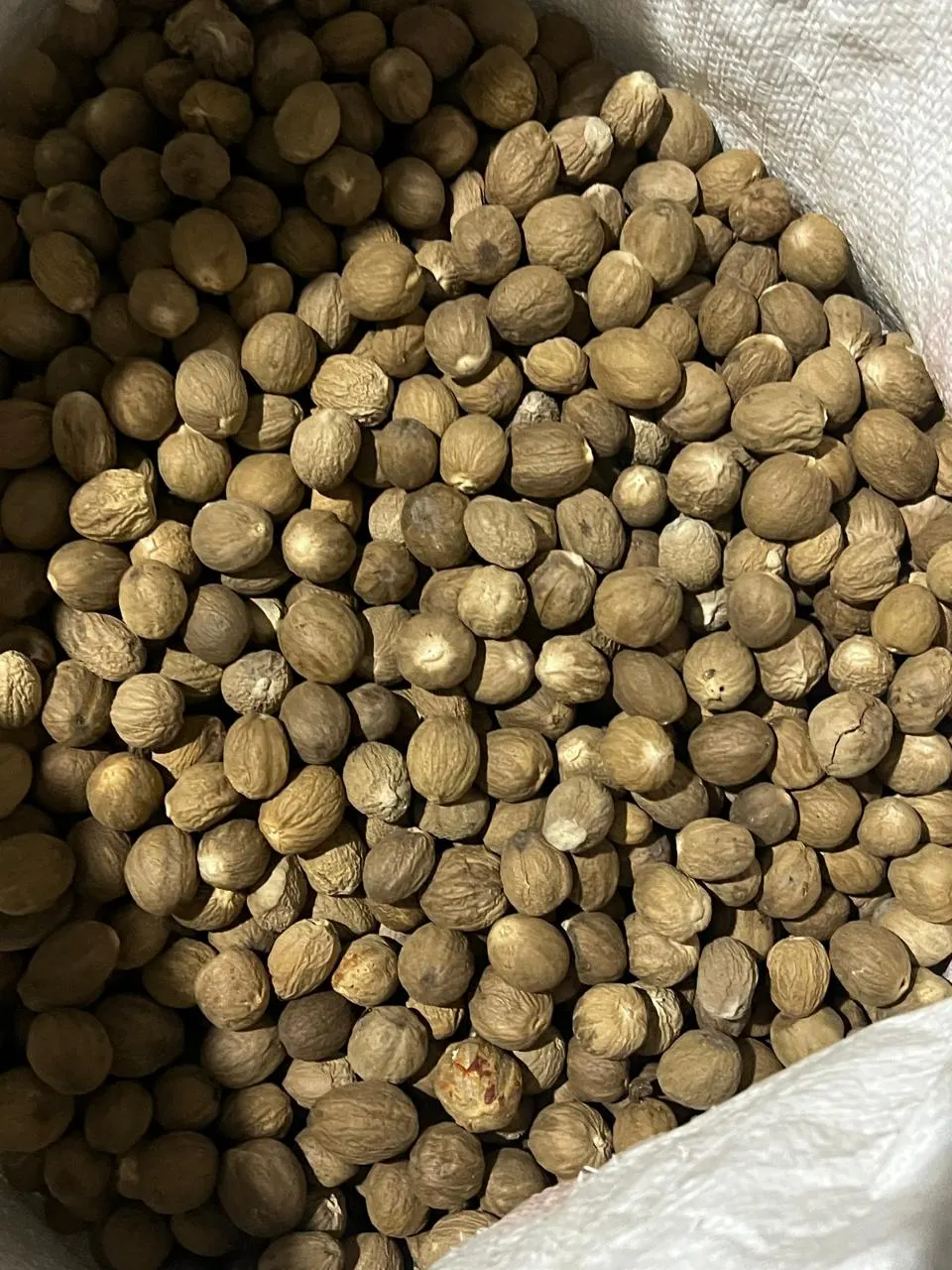
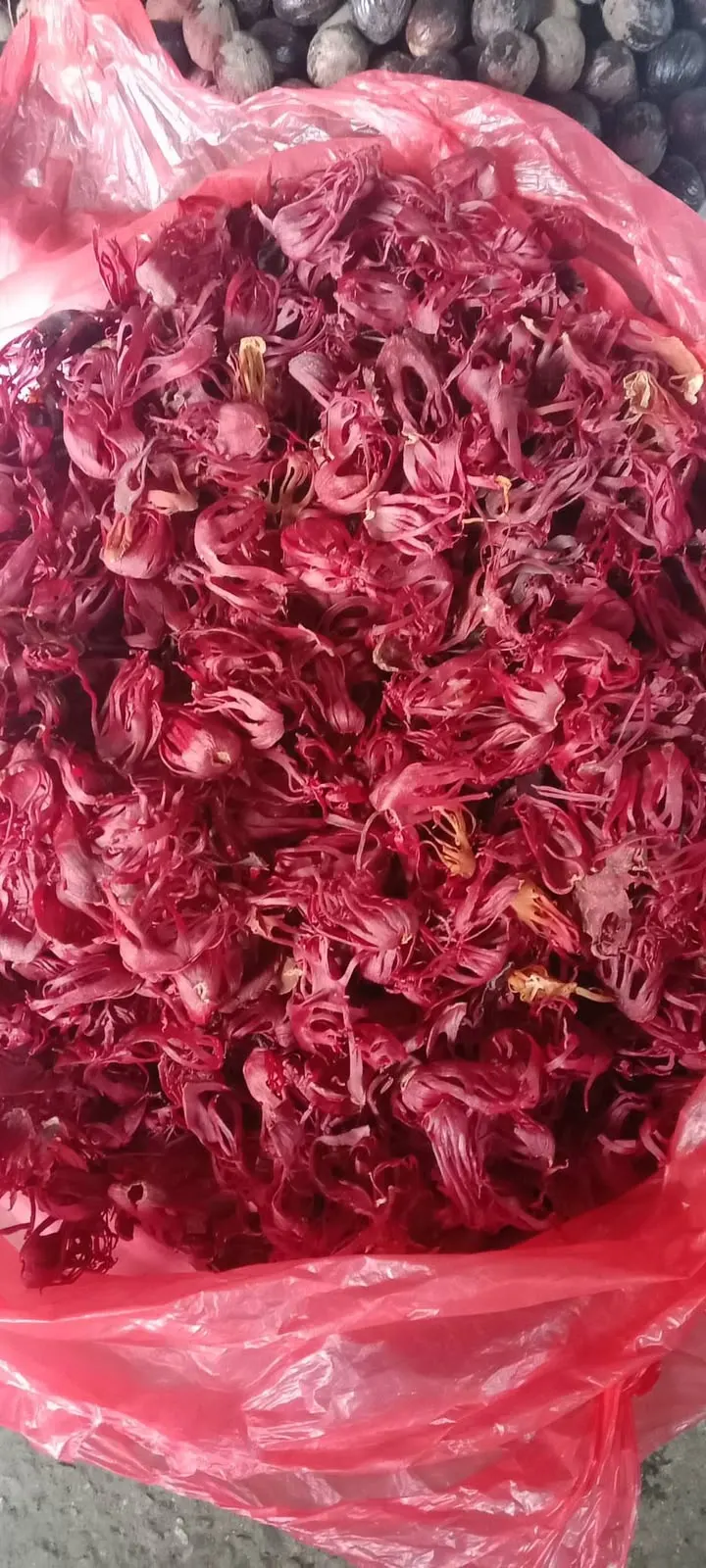
- Nutmeg and mace. Nutmeg is one of the spices most often flagged for aflatoxin worldwide. Broken and shrivelled grades (BWP, SS) are more exposed than sound whole nuts. Our nutmeg grades guide explains the grades.
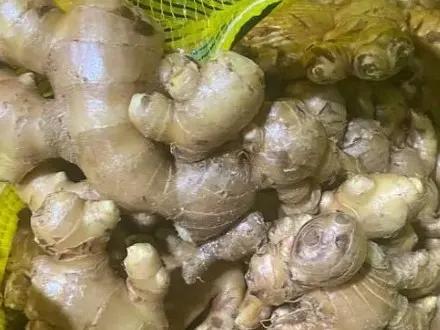
- Dried ginger. Thick slices that dry slowly are the risk.
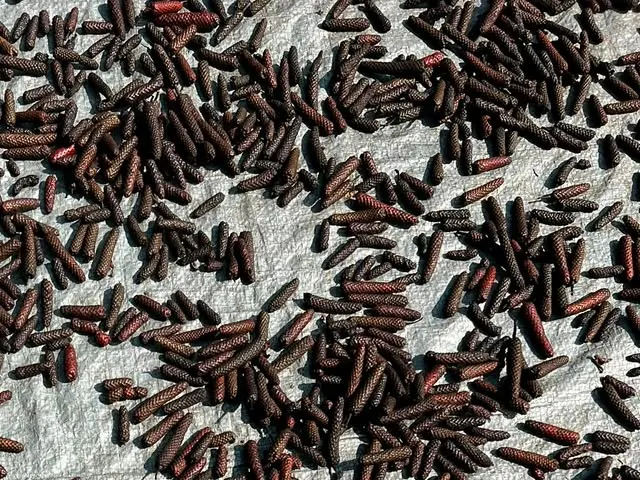
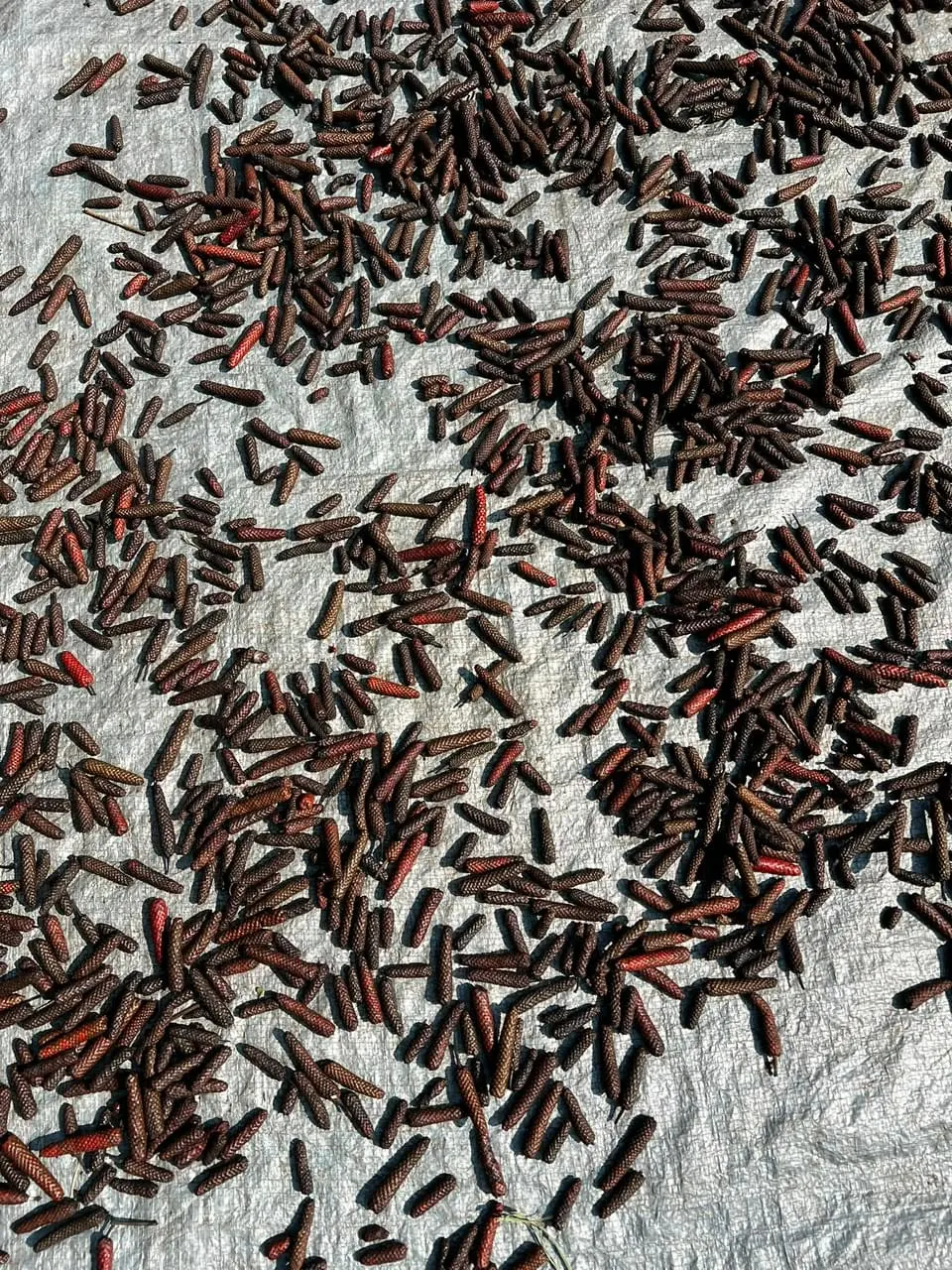
- Java long pepper. The dense spikes need thorough sun drying.
Cloves, cardamom, cinnamon and vanilla are not free of risk, but in practice they come up less often. Good drying and dry storage matter for every one of them.
What prevention looks like
There is no clever trick. It is just careful, boring work done every time:
- Dry quickly and thoroughly, on tarps, mats or raised racks, not bare ground.
- Measure moisture before bagging rather than guessing.
- Sort out broken, damaged and discoloured pieces.
- Store bags on pallets, away from walls, in a dry and ventilated room.
- Use clean, dry sacks, and consider moisture absorbers in the container for long voyages.
We do this because it is the only way we know to keep a lot safe. We would still never ask you to take our word for it.
Sampling and testing before shipment
Aflatoxin is not spread evenly. A few contaminated pieces can sit in an otherwise clean lot, so a single handful tells you very little. Proper sampling takes many small portions from across the whole lot and mixes them into one aggregate sample. The EU lays down sampling methods for official checks, and a good lab will follow a recognised method.
For your first orders, we suggest:
- Agree the aflatoxin limit and the testing lab in the contract, before the goods are prepared.
- Test the actual lot that will ship, not an earlier sample.
- Ship only after the result is in and meets your limit.
- Keep a sealed retained sample from the same lot.
If you want an independent inspection company to draw the sample in Indonesia, that is welcome too.
When you write to us
Tell us your destination market and the limits your authority applies. That one detail decides how we prepare, test and document your order.
We sell nutmeg, mace, ginger, long pepper and our other spices FOB Surabaya. See our products or send us your requirements.