Chinese cooking and traditional medicine have used Southeast Asian spices for centuries, and many of them reached China from the Indonesian islands. Today China is one of the biggest buyers of Indonesian nutmeg and white cardamom. If you are importing into China, here is where Indonesian spices fit and what to check before a first order.
The spices Chinese buyers ask for
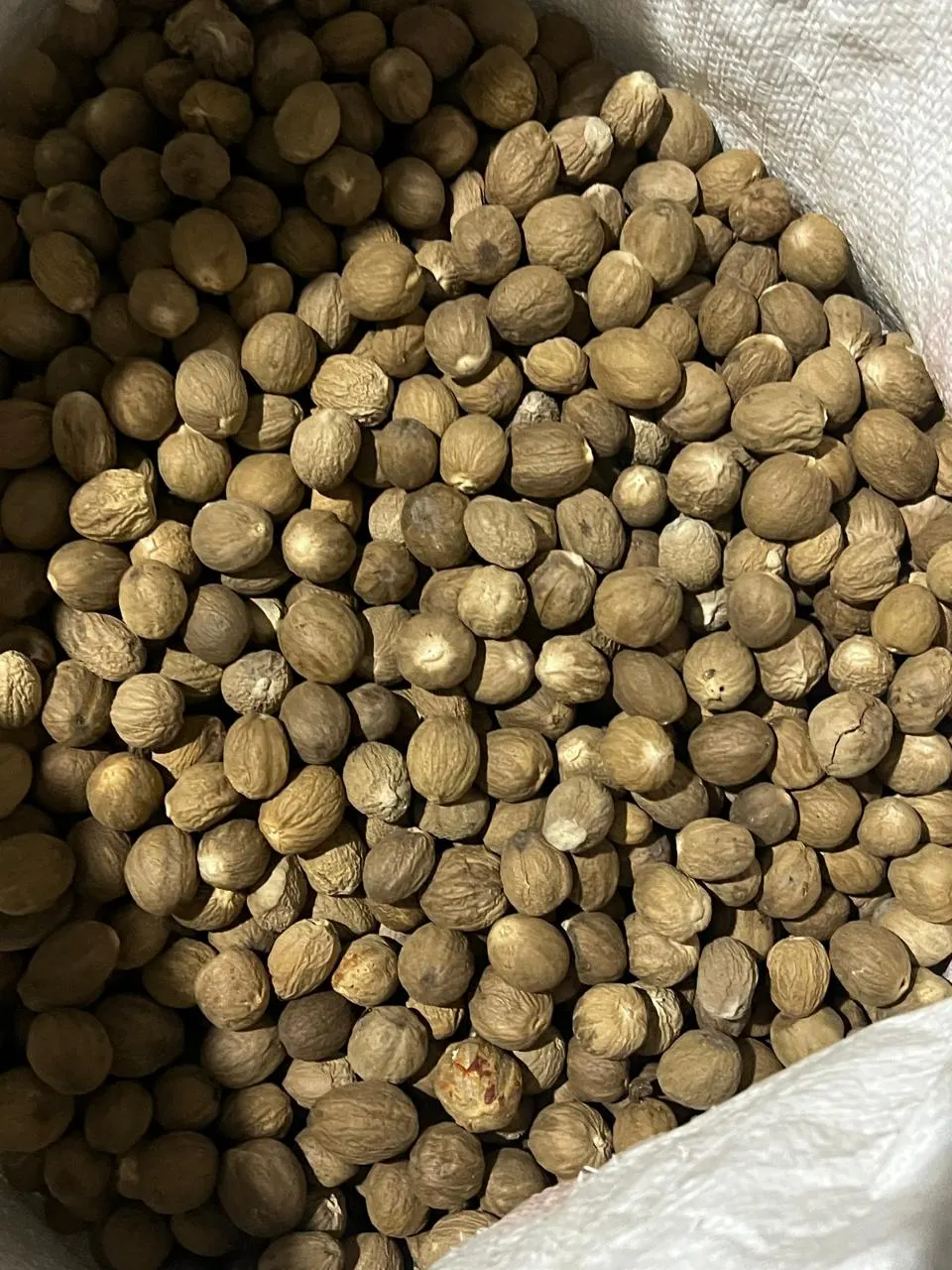
Nutmeg. Used in braising spice mixes, five-spice style blends, hot pot bases and traditional remedies. Indonesia is the world’s largest nutmeg exporter. The grades (AB, ABCD, SS and BWP) are explained in our nutmeg grades guide.
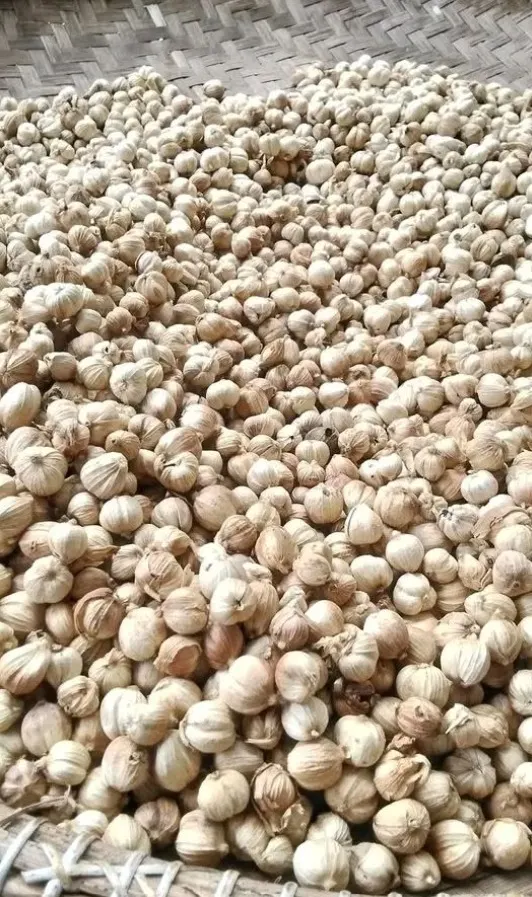
White cardamom. This is the one many Chinese buyers already know by sight. Java cardamom, Amomum compactum, is round and usually bleached to a creamy white. It goes into braising mixes, hot pot, marinades and herbal products. It is a different plant from the green cardamom of India, and our Java vs green cardamom guide explains the difference.
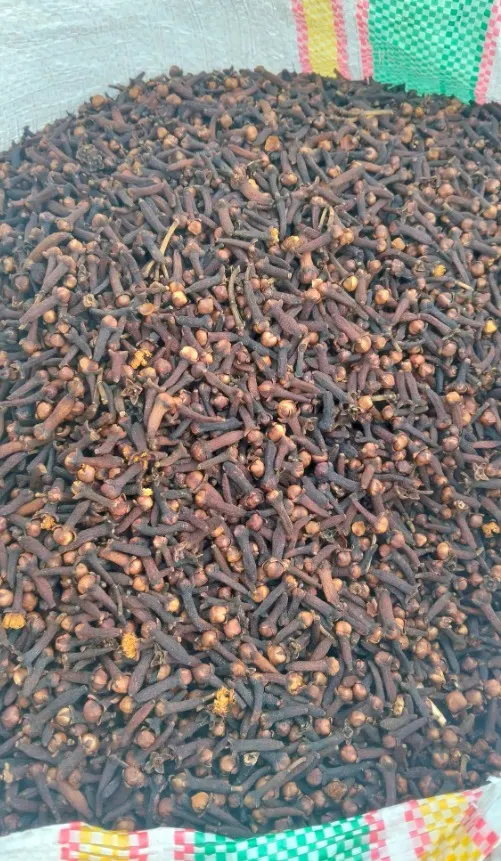
Cloves. Used whole in braised dishes and spice blends, and ground for seasonings. Indonesia grows more cloves than anywhere else. See our clove guide.
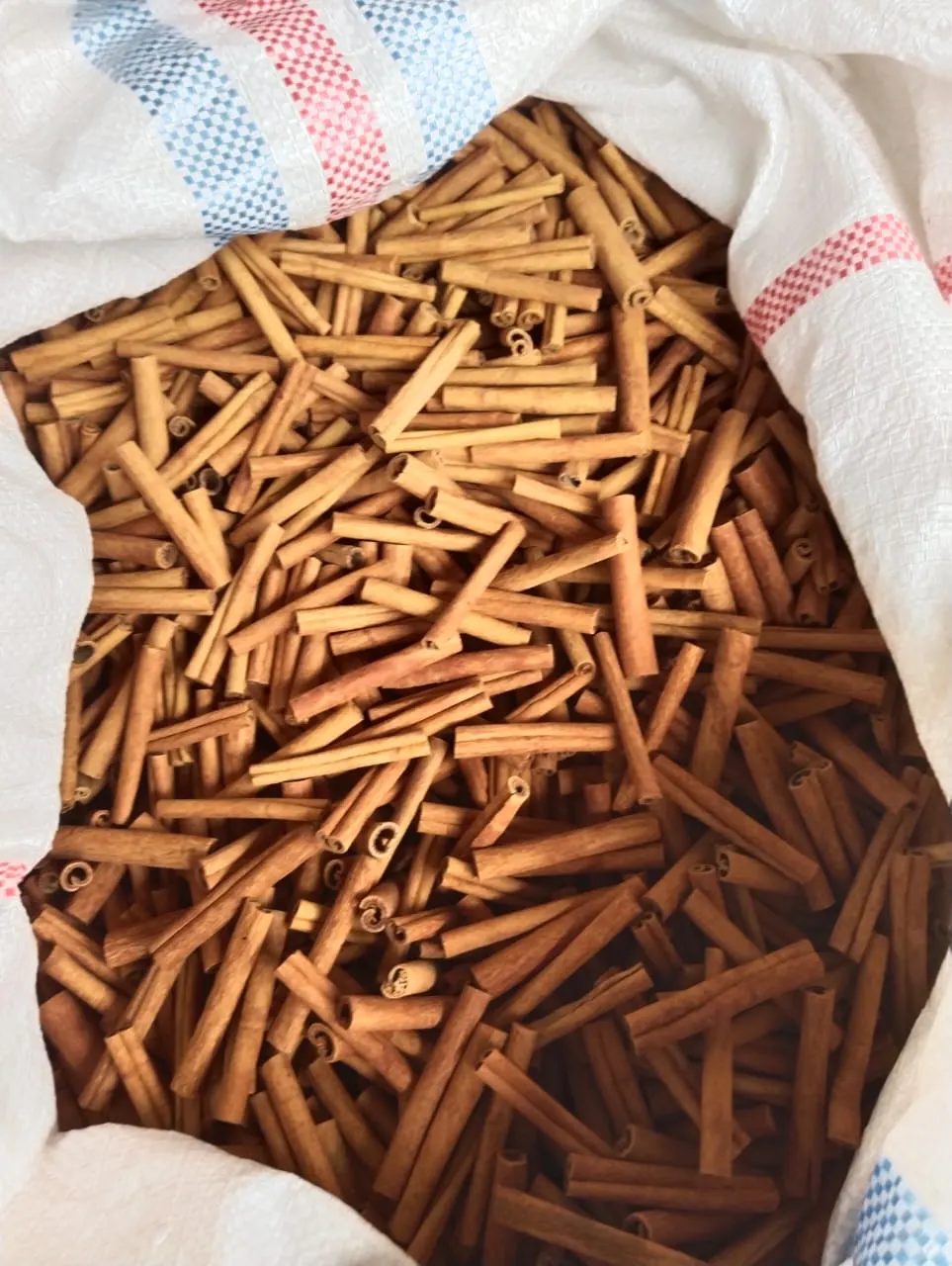
Cinnamon. China grows its own cassia, so Indonesian cinnamon (Cinnamomum burmannii) is usually bought for its particular flavour or when buyers want another source. Our cinnamon guide compares the types.
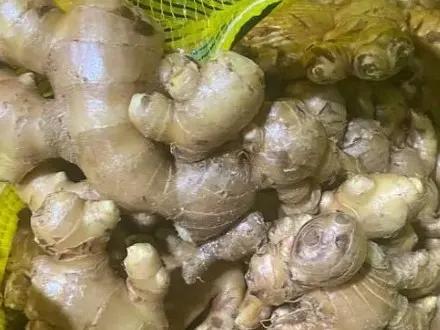
Ginger. Elephant ginger can be supplied fresh or as dried slices. Our ginger guide covers both.
Form E can lower your duty
Indonesia and China are both part of the ASEAN–China Free Trade Area. Goods that meet the rules of origin can enter China at a reduced or zero duty rate when they come with a Form E certificate of origin, issued in Indonesia.
Whether your product qualifies, and at what rate, depends on its HS code and the current schedule, so please ask your customs broker to confirm. Tell us at the inquiry stage that you need Form E, and it will be prepared with the shipping documents.
GACC rules to check before the first order
Food imports into China are supervised by the General Administration of Customs (GACC). Two things are worth checking early:
- Registration of the overseas producer. China requires many overseas food manufacturers to be registered with GACC, through the online system known as CIFER, before their goods can be imported. Whether and how this applies to a specific spice and form (whole, ground, fresh or dried) is something your customs broker can confirm. Please raise it with us before you place an order, so there is time to sort it out properly. We would rather be honest about the time this takes than promise a shipment date we cannot keep.
- Chinese labelling. Pre-packaged food needs Chinese labels that meet Chinese standards. For bulk spices going to a repacker, the requirements may be different. Again, your broker knows the current rules.
Inspection and quarantine at the Chinese port, including checks on moisture, pests and contaminants, are a normal part of clearance. Agreeing the limits in the contract, and testing the lot before it leaves Indonesia, avoids most surprises.
Practical points for a first order
- Ask for a sample, especially for white cardamom, where colour and size matter a lot to Chinese buyers.
- Agree the specification in writing: grade, moisture, foreign matter and, for nutmeg, aflatoxin testing.
- Plan the freight. We sell FOB Surabaya. Your forwarder books the sea freight from Tanjung Perak to Shanghai, Ningbo, Qingdao, Guangzhou or your port. Our FOB vs CIF guide explains how responsibility is split.
- Agree the document list, including Form E and anything GACC needs.
We are a young exporter in Surabaya, and we will not claim a long track record in China. What we can offer is clear specifications, honest answers about documents, and a sample before you commit. See our products, our wholesale supply page, or contact us.