Spices have travelled between the Indonesian islands and the Arabian Peninsula for well over a thousand years. Arab traders carried cloves and nutmeg west long before European ships found their way to Maluku. The route is old. The paperwork is new. This guide is for importers in Saudi Arabia, the UAE and the wider Gulf who are thinking about buying spices from Indonesia.
Which spices fit the market
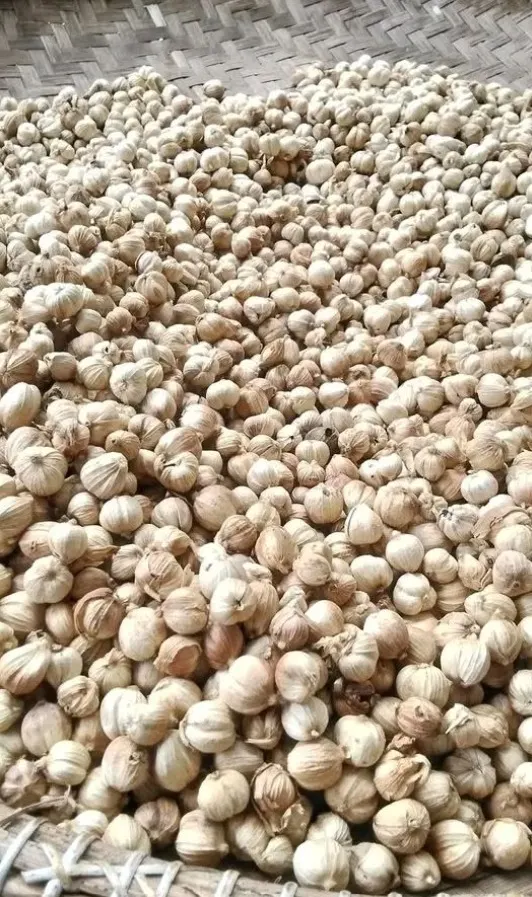
Cardamom, with one important caution. The Gulf is one of the world’s biggest cardamom markets, mostly for qahwa, Arabic coffee. Qahwa is made with green cardamom (Elettaria cardamomum), usually from India or Guatemala. Indonesia grows Java cardamom (Amomum compactum), a round, creamy white pod with a cooler, camphor-like aroma. It is not a substitute for green cardamom in qahwa, and we would rather say that clearly now. Java cardamom does have a place in spice blends, rice and meat seasonings, herbal products and some tea and coffee blends where a strong aroma at a lower price is wanted. Our Java vs green cardamom guide explains the difference.
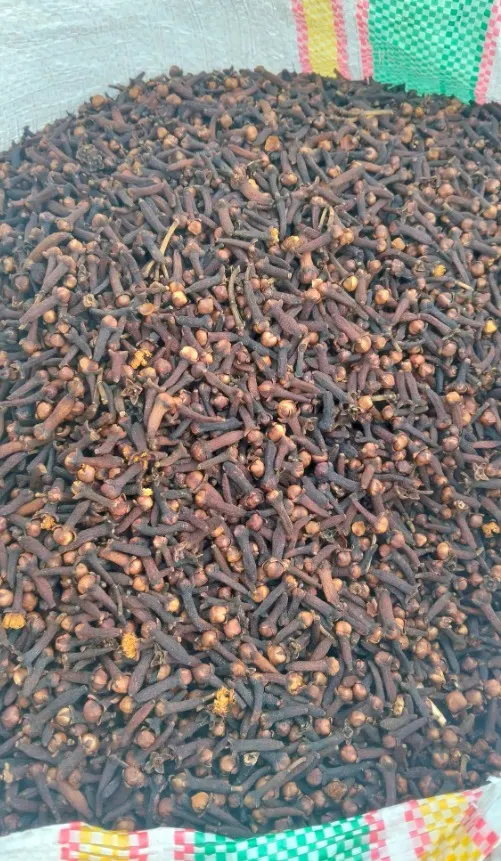
Cloves. Used whole in rice dishes like kabsa and mandi, in meat cooking, in spice mixes and in tea. Indonesia is the world’s largest clove producer. See our clove buying guide.
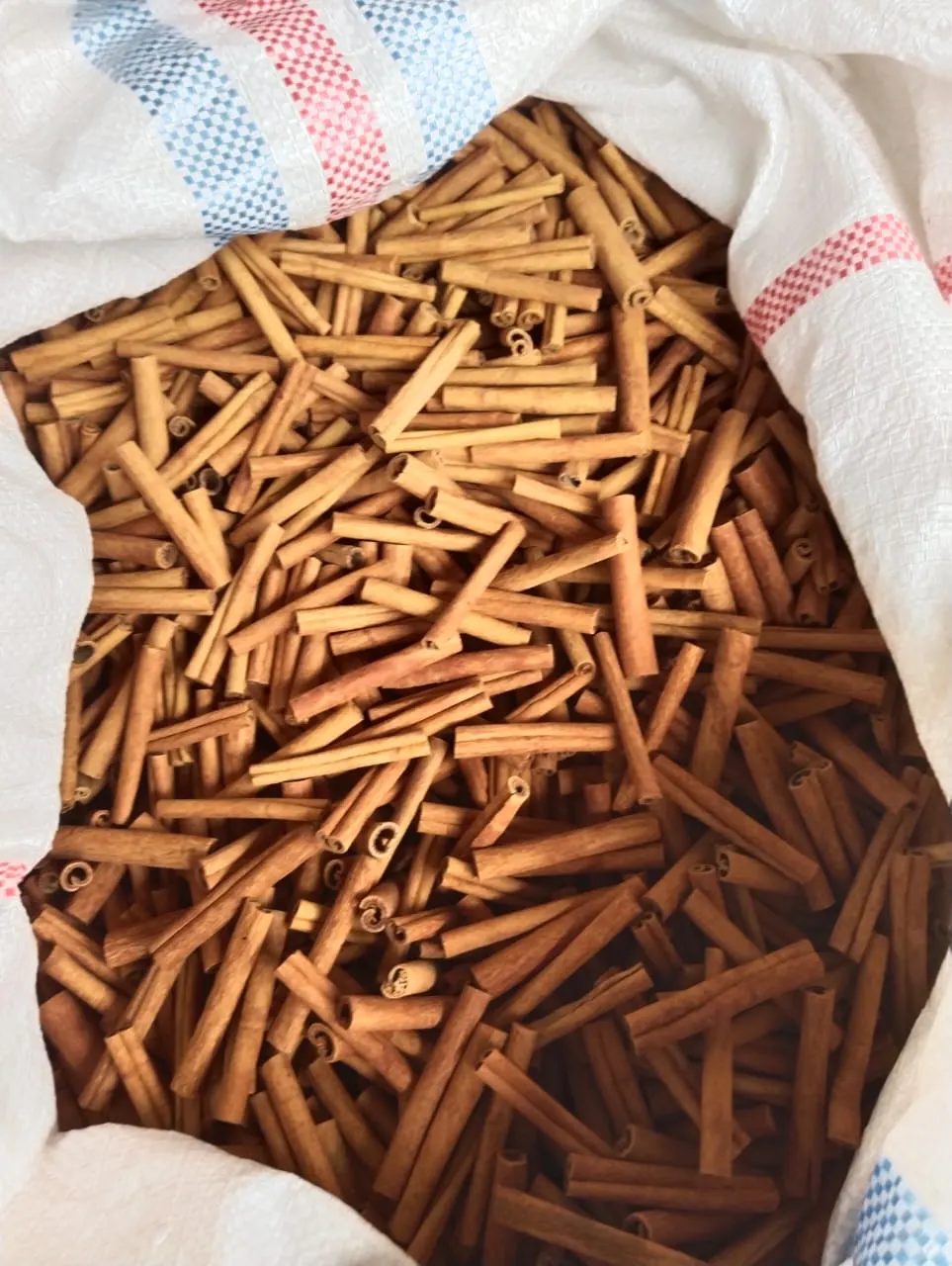
Cinnamon. Cinnamon sticks go into rice, stews, tea and coffee across the region. Indonesian cinnamon is cassia, stronger and sweeter than Ceylon. Our cinnamon guide compares the two.
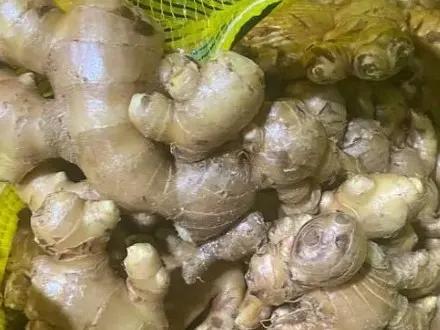
Ginger. Dried ginger goes into spice blends, tea and herbal drinks. Fresh elephant ginger can also be shipped, though it needs more care in transit. More in our ginger guide.
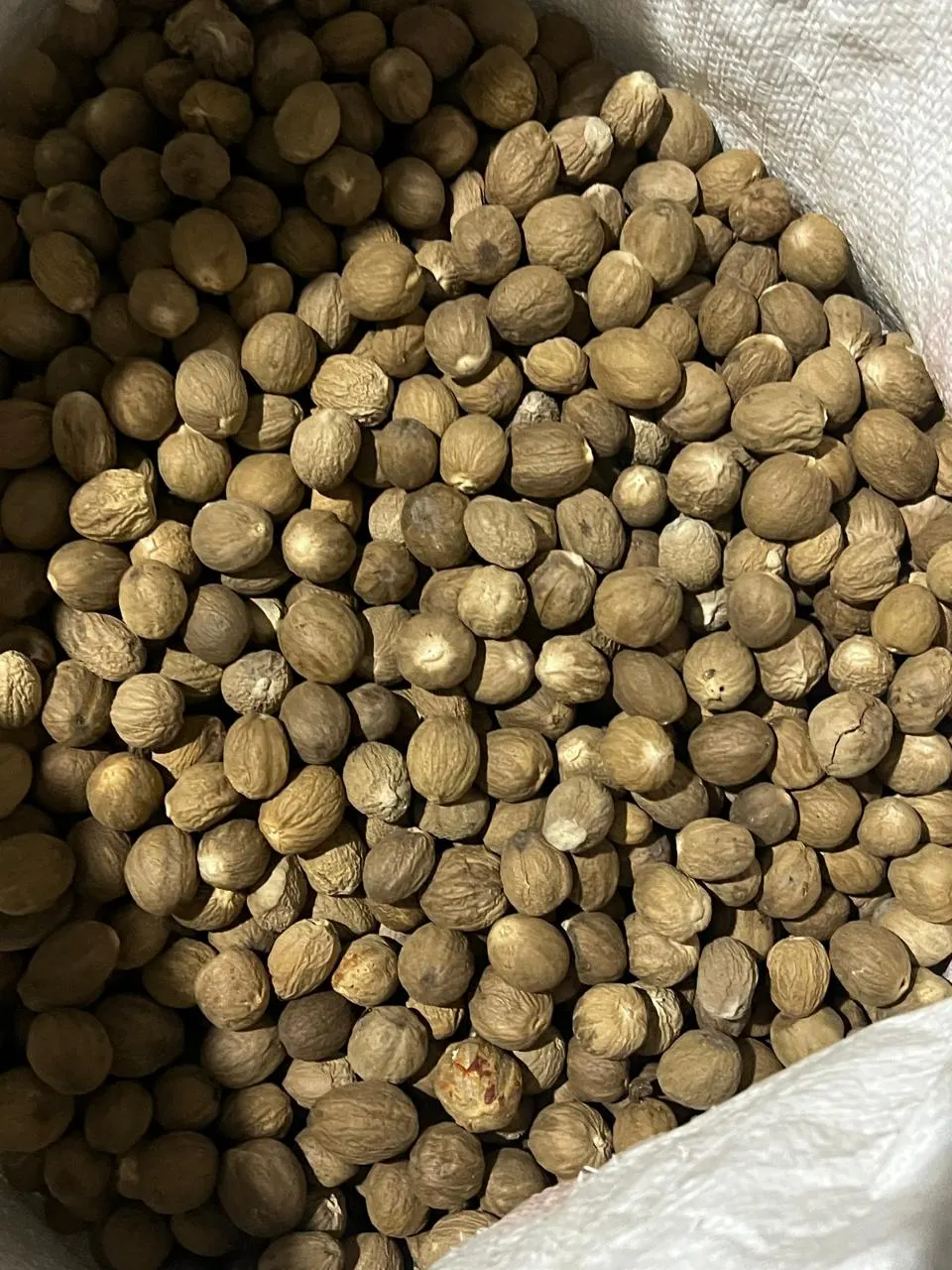
Nutmeg and mace. Both are used in baharat and other spice mixes and in meat dishes. Nutmeg needs close attention to aflatoxin, which our aflatoxin guide covers.
Documents you will probably be asked for
Requirements differ between countries, and even between products and importers in the same country. These are the documents that commonly come up for spice shipments to the Gulf:
- Commercial invoice and packing list
- Bill of lading
- Certificate of origin, issued in Indonesia, sometimes required to be legalised
- Phytosanitary certificate from Indonesian plant quarantine
- Fumigation certificate, often requested for agricultural cargo
- Certificate of Analysis (COA) from a lab
- Sometimes a health certificate for food products
- Sometimes a halal certificate, depending on the importer, the product and the authority
We want to be straight with you about the last two. We are a young company, and we do not hold a halal certificate today. Some importers and authorities require one for spices, others do not. Please tell us at the start which documents your importer, your customs broker and your authority need. We will tell you honestly which of them we can provide for your shipment, and how long they take, before you commit to anything.
Checking the rules on your side
Food imports into Saudi Arabia are regulated by the Saudi Food and Drug Authority (SFDA), and each Gulf country has its own food safety and customs authorities. Rules on registration, labelling, shelf life, permitted contaminant levels and documents can change. The most reliable route is to confirm the current requirements through your customs broker or directly with the authority before the first order.
Labelling in Arabic, for products sold to consumers, is normally handled by the importer or packer in the destination country. If you plan to sell our spices in bulk to repackers, or pack them yourself, plan for the label at your end. If you need specific information marked on our bags, such as lot numbers or packing dates, tell us and we will include it.
Practical points for a first order
- Ask for a sample first. Especially for cardamom, so you can judge whether Java cardamom fits your customers.
- Agree moisture and aflatoxin limits that match your authority’s rules, and test the actual lot before it ships.
- Plan the freight. We sell FOB Surabaya. Your forwarder books the sea freight from Tanjung Perak to Jeddah, Dammam, Jebel Ali or your port of choice. Our FOB vs CIF guide explains how that works.
- Agree the document list in the contract, so nothing is a surprise at your port.
We would be glad to hear from importers in the region, in English or Arabic. See our products or contact us.