From the spice stalls of Khan el-Khalili in Cairo to the souks of Marrakech, North Africa has traded in spices for a very long time, and many of the classics on those stalls began their journey in the Indonesian islands. Egypt, Morocco, Algeria and Tunisia still import most of the warm spices they use. This is our honest view of where Indonesian spices fit in these markets and what to settle before a first order.
Where Indonesia fits
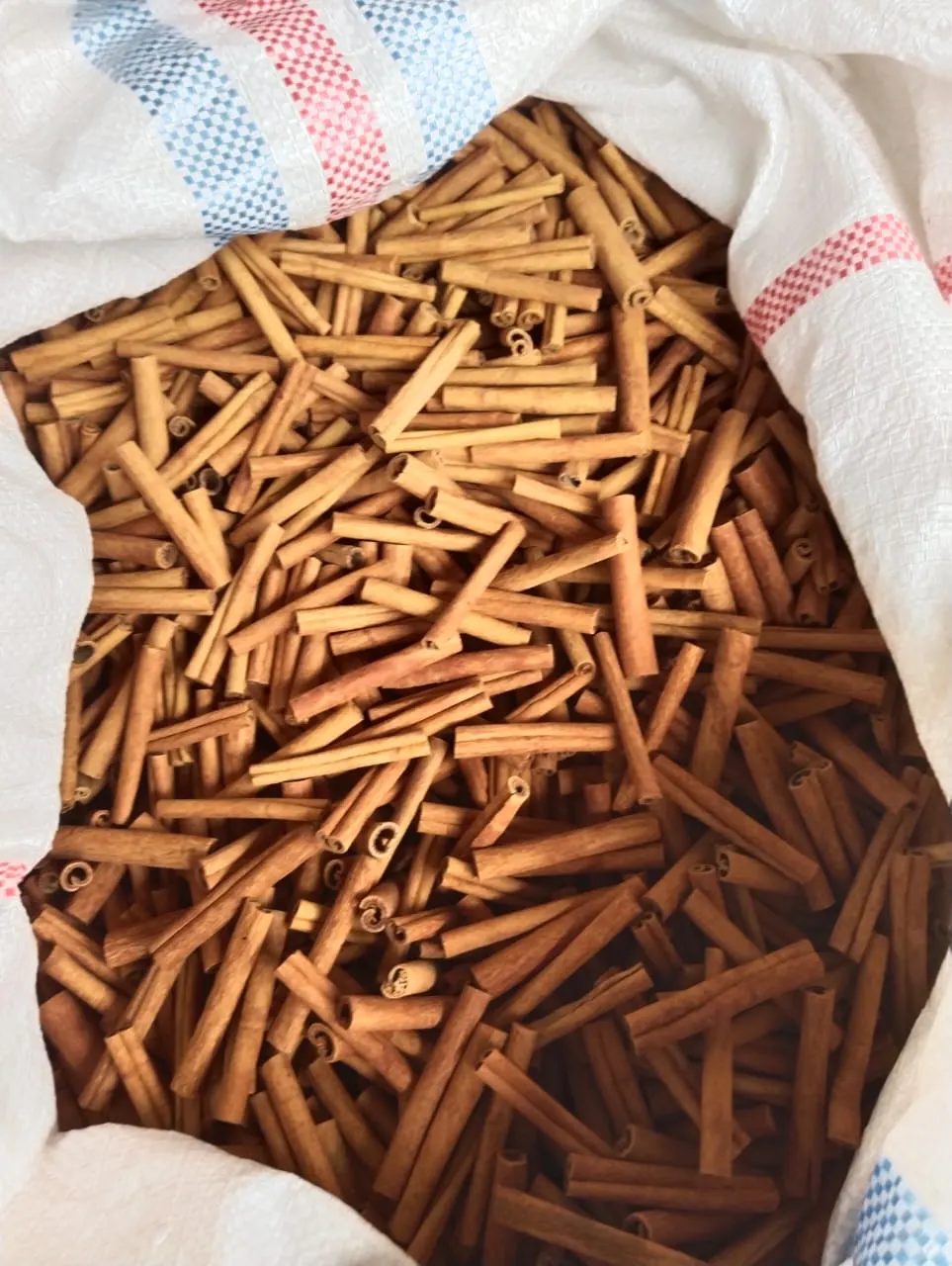
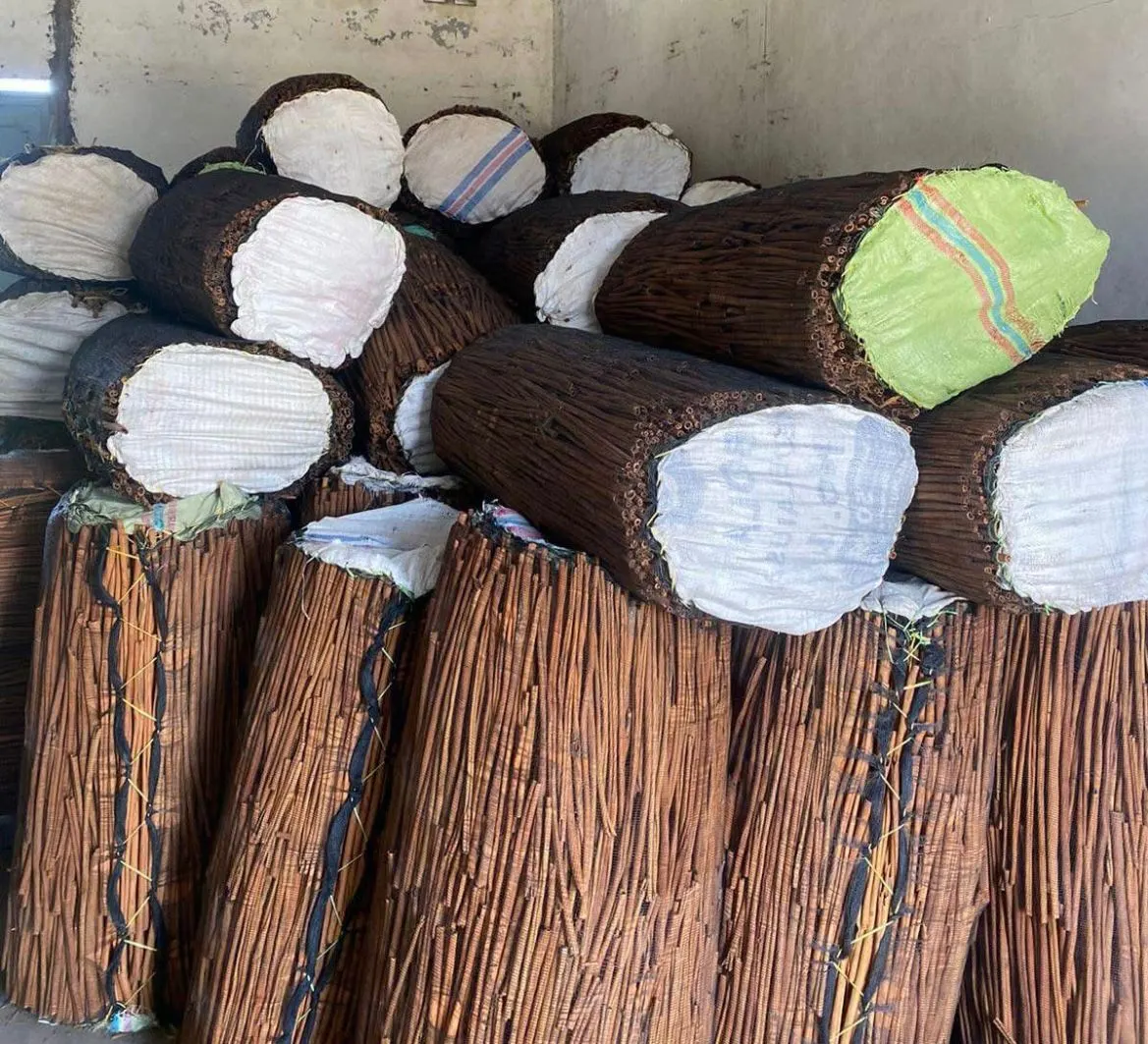
Cinnamon. Cinnamon is everywhere: in Egyptian sahlab and rice pudding, in Moroccan pastilla and tagines, in Ramadan sweets and in spiced tea. A large share of the cinnamon traded in the region is cassia, and Indonesian cassia (Cinnamomum burmannii) is one of the main kinds. It is strong, sweet and warm, and it grinds well. Our cinnamon guide compares it with Ceylon cinnamon so you can choose with open eyes.
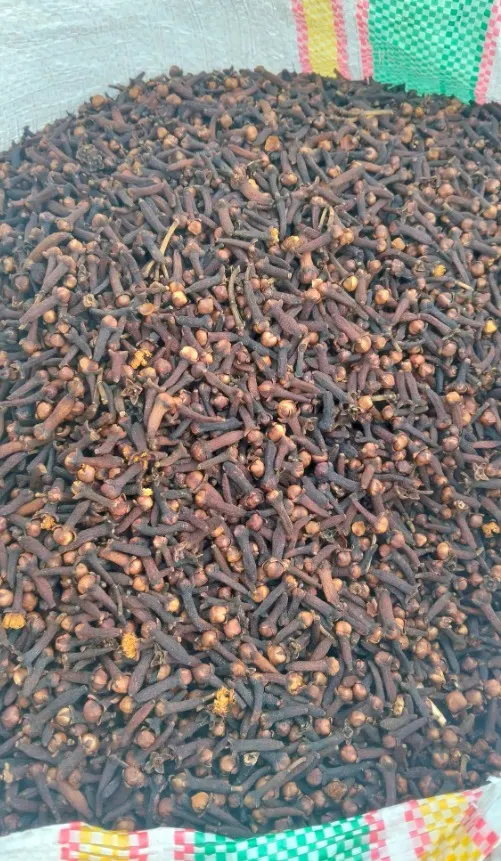
Cloves. Cloves go into spice blends, coffee and tea, meat dishes and traditional remedies, and are a standard item for every spice wholesaler. Indonesia is the world’s largest clove grower. Our clove guide explains grades and what to put in the contract.
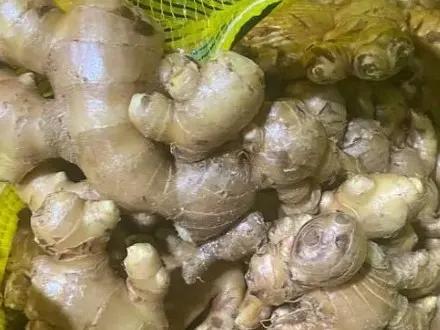
Ginger. Dried ginger is a key part of ras el hanout and many Moroccan and Algerian blends, and ginger drinks are popular in Egypt, especially in winter. We supply elephant ginger as dried slices or fresh rhizomes. Our ginger guide explains which suits your use.
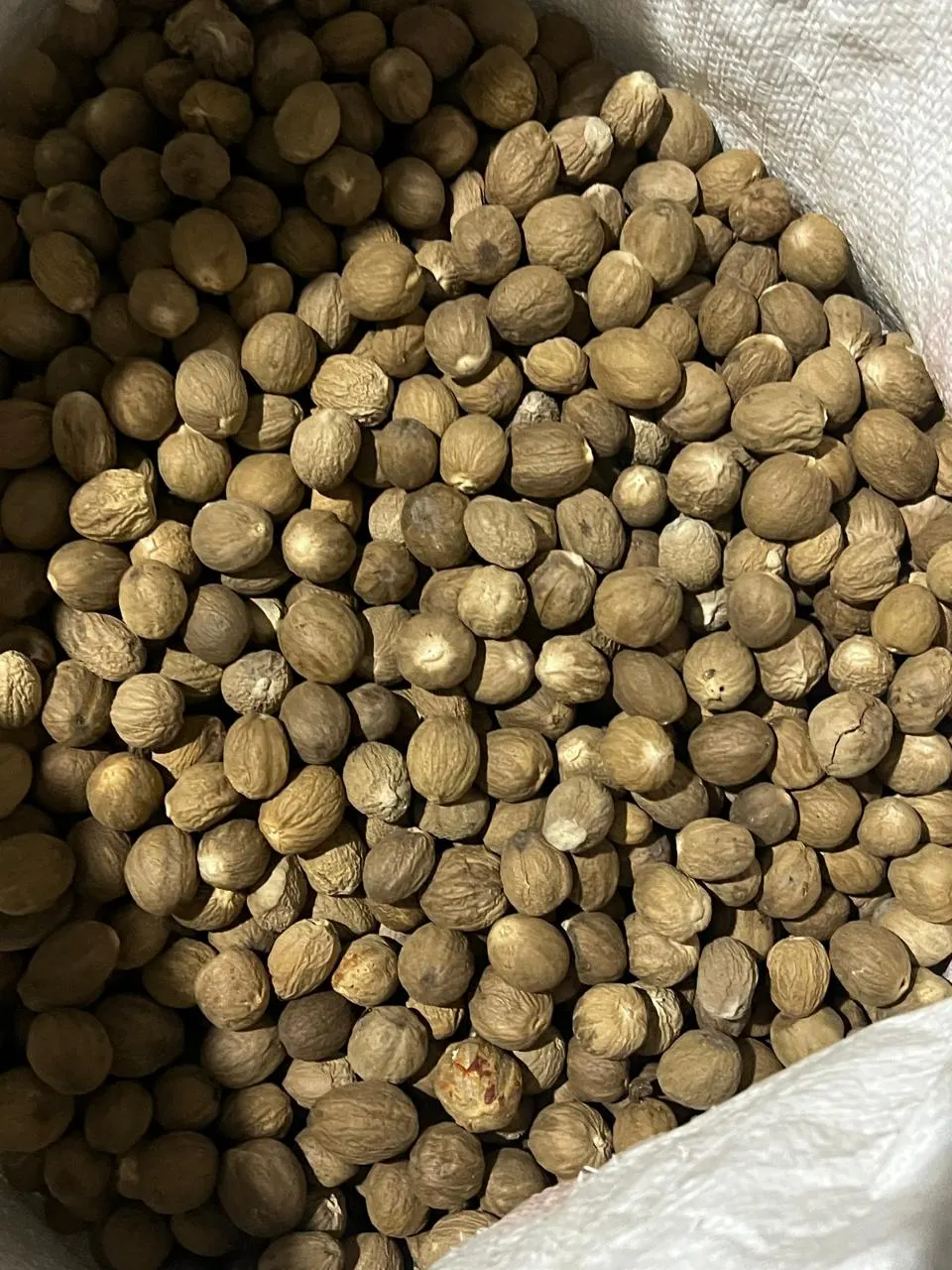
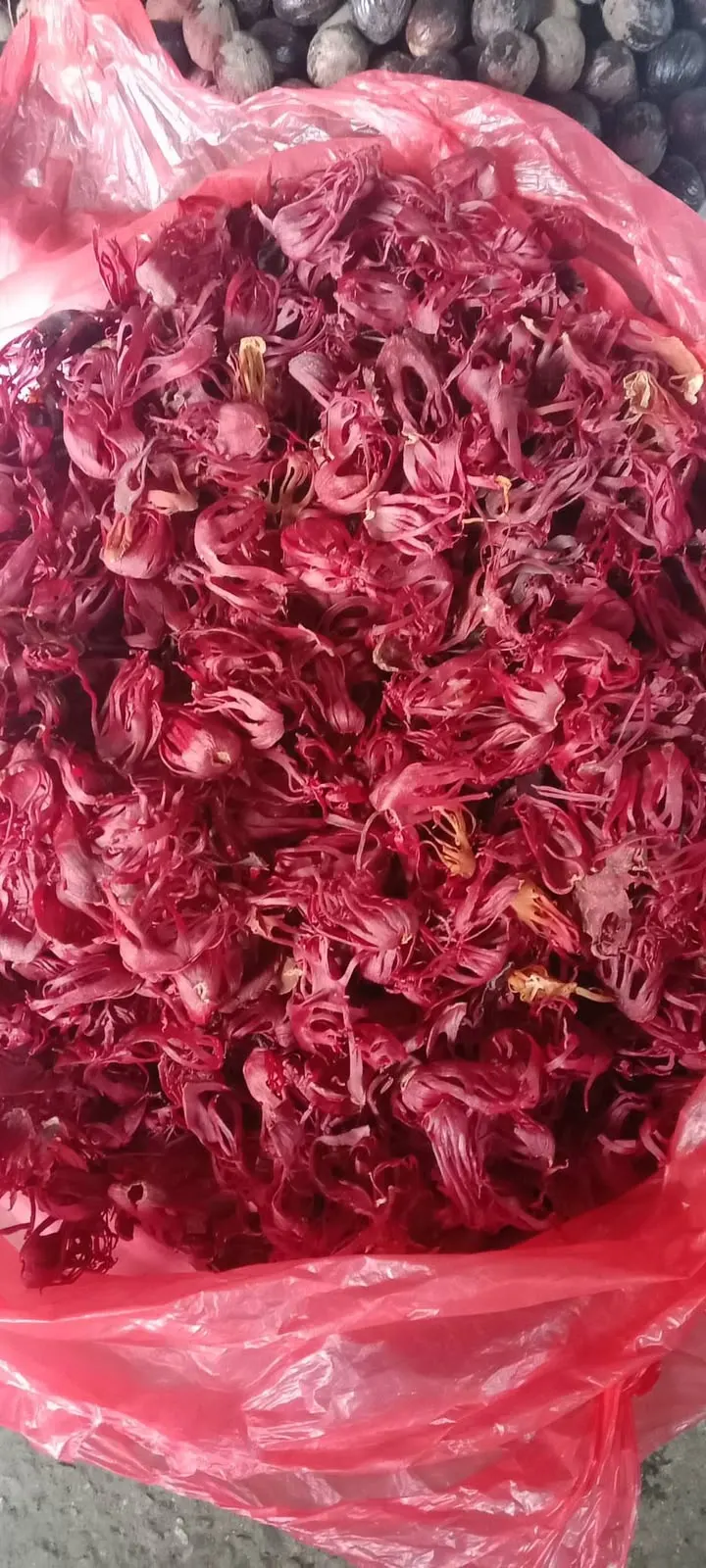
Nutmeg and mace. Both appear in ras el hanout, in meat dishes and in some sweets. Indonesia is the home of nutmeg; our nutmeg grades guide and mace guide explain how they are sold.
Java long pepper, which we also grow, has a place in some traditional North African blends too, often under the name dar felfel. If you use it, ask us for a sample; our long pepper guide explains how it differs from Indian long pepper.
Plan around Ramadan
Demand for cinnamon, cloves and ginger peaks before Ramadan, when families buy for sweets, drinks and the long evening meals. The sea voyage from Surabaya to the Mediterranean is long, and the spices also need time for preparation and documents. Plan your order with that in mind, and talk to us early in the season rather than at the last minute.
Documents and import rules
The documents usually asked for are a commercial invoice and packing list, bill of lading, certificate of origin, phytosanitary certificate, fumigation certificate and a Certificate of Analysis. Some countries ask for the certificate of origin or invoice to be legalised, and some importers ask for further certificates. Tell us early which documents your importer or authority requires and we will confirm what we can arrange.
Each country has its own food safety body, its own limits for moisture, aflatoxin and pesticide residues, and its own import registration and labelling rules. They also change. Please confirm the current rules with your customs broker or clearing agent before the first shipment. Once you know the numbers, we can agree them in the contract and check the lot against them before it leaves Surabaya.
Practical points for a first order
- Ask for a sample, especially of cinnamon and ginger, so you can judge colour, aroma and how they grind.
- Agree the specification in writing: moisture, foreign matter, form and cut size.
- Consider combining spices. Cinnamon, cloves and ginger can travel together in one container. Our wholesale page explains how mixed orders work.
- Book your freight. We sell FOB Surabaya. Your forwarder books the vessel from Tanjung Perak to Alexandria, Port Said, Casablanca, Algiers, Radès or your port of choice. Our FOB vs CIF guide explains how responsibility is split.
We are a young company and will not pretend otherwise. What we can promise is clear specifications, honest answers and a sample before you commit. See our products or send us your requirements.